New Insights into Sex Chromosome Evolution and Molecular Sex Identification in Nepenthes mirabilis
Most flowering plants produce bisexual flowers, with both stamens and pistils in the same flower. Some species, however, have evolved dioecy, in which male and female flowers are borne on separate plants. Understanding how this reproductive system evolved, and how sex is genetically determined, remains an important question in plant evolutionary biology. Nepenthes mirabilis, a carnivorous pitcher plant in the family Nepenthaceae, is the only Nepenthes species native to China and provides a valuable system for investigating the evolution of plant sex chromosomes.
Recently, researchers from the Plant Science Center of the South China Botanical Garden (SCBG), Chinese Academy of Sciences, in collaboration with South China Agricultural University, the University of Oxford, and Shenzhen University of Advanced Technology, investigated the genomic basis of sex determination in N. mirabilis. By integrating chromosome-level genome assemblies of female and male plants with population resequencing, transcriptomic data, and comparative genomics, the team gained new insights into the structure and evolutionary history of sex chromosomes in carnivorous plants.
The researchers assembled and annotated a chromosome-level female genome and haplotype-resolved male genomes. Evidence from genome-wide association analysis (GWAS), sex-associated single-nucleotide polymorphisms (SNPs), sequencing-depth comparisons, and chromosomal synteny identified chromosome 12 as the sex chromosome, supporting an XX/XY sex-determination system. They delineated an approximately 3.50-Mb Y-linked sex-linked region (Y-SLR), within which a 2.34-Mb male-specific region of the Y chromosome (MSY) contains 27 annotated genes (Figure 1).A comparison with the related pitcher plant N. gracilis revealed marked differences in the size, position, gene content, and repeat composition of the MSY. Only three homologous genes—DYT1, LFY, and MMD1—were shared between the two species, and these genes showed relatively low levels of sequence divergence between species. These findings support a possible evolutionary scenario in which a small ancestral sex-linked region, containing a limited number of male-associated genes, existed before the two species diverged, followed by lineage-specific structural changes and expansion of non-recombining regions (Figure 2).
The team also found that repetitive sequences were substantially more abundant in the MSY than in the pseudoautosomal regions (PARs), particularly long terminal repeat (LTR) retrotransposons of the Gypsy group. Insertion-time analyses suggested that some LTR elements in the MSY were inserted relatively recently, consistent with a potential role for transposable-element accumulation in the region’s recent structural evolution (Figure 2).
Because Nepenthes plants often take several years to reach reproductive maturity, male and female individuals are difficult to distinguish by appearance at the seedling stage, posing challenges for breeding. To address this limitation, the researchers tested 27 candidate MSY genes using polymerase chain reaction (PCR) assays and identified 21 candidate molecular markers showing male-specific amplification (Figure 3). These markers could facilitate early sex identification, improve breeding decisions, and support the conservation and use of Nepenthes germplasm resources.
Together, the findings offer a hypothesis for the origin and subsequent evolution of sex-linked regions in N. mirabilis, alongside genomic resources for future studies of sex determination and practical molecular sex identification. The work was published online in Horticulture Research under the title “Chromosome-level and haplotype-resolved genomes shed light on the sex chromosome evolution of the dioecious carnivorous plant Nepenthes mirabilis.”Dr. KONG Hanghui of SCBG, Associate Professor ZHANG Rongjing of South China Agricultural University, and LIN Meixiu, a master's graduate, are the co-first authors. Professor GONG Wei of South China Agricultural University, Professor Dmitry A. Filatov of the University of Oxford, and Professor GUO Xing of Shenzhen University of Advanced Technology are the corresponding authors. The research was supported by the National Natural Science Foundation of China and Guangdong Flagship Project of Basic and Applied Basic Research. Article link: https://doi.org/10.1093/hr/uhag478
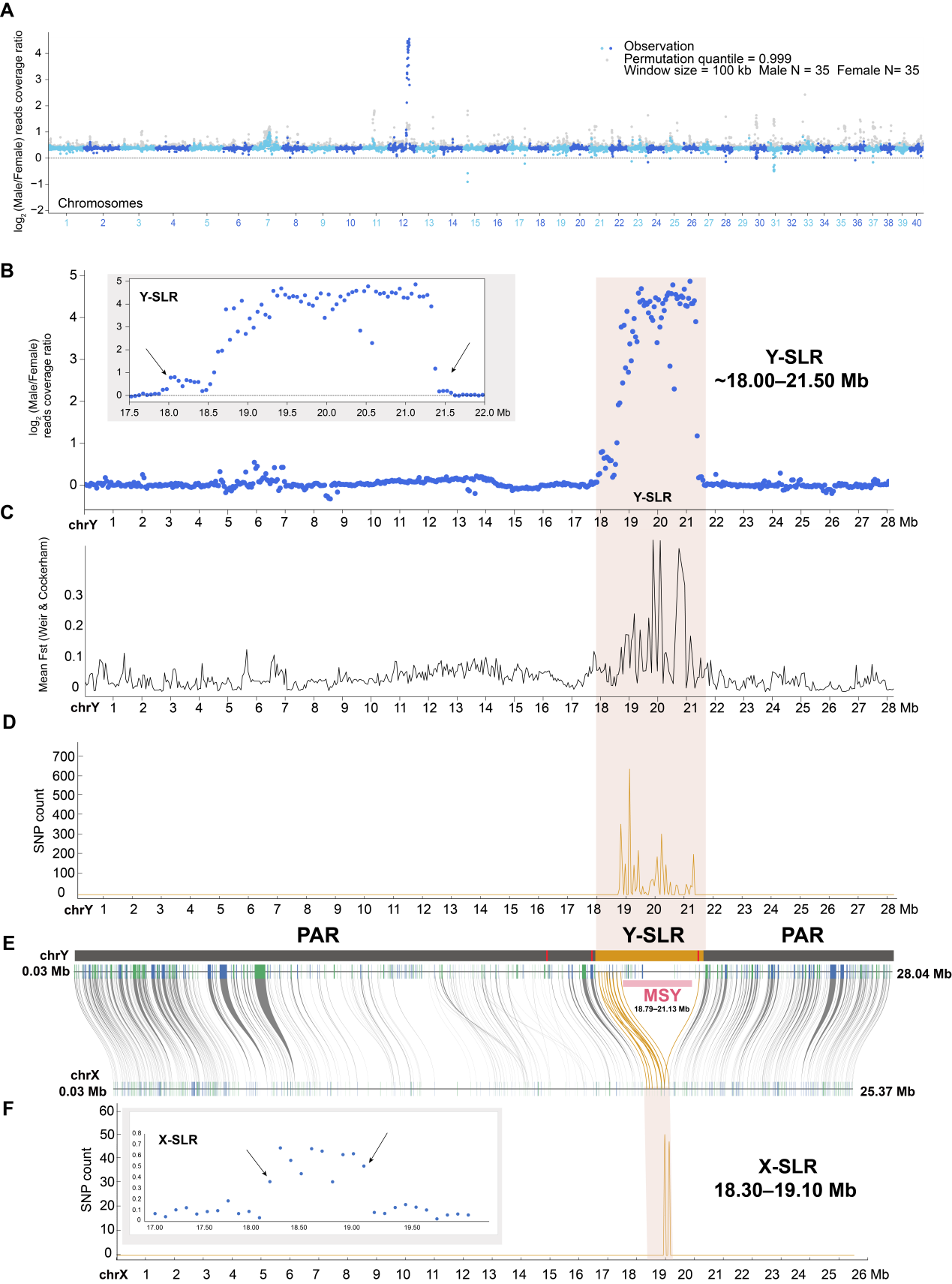
Figure 1. Identification and characterization of the non-recombining Y-linked region (Y-SLR) and male-specific region (MSY) inNepenthes mirabilis.(Image by KONG Hanghui)
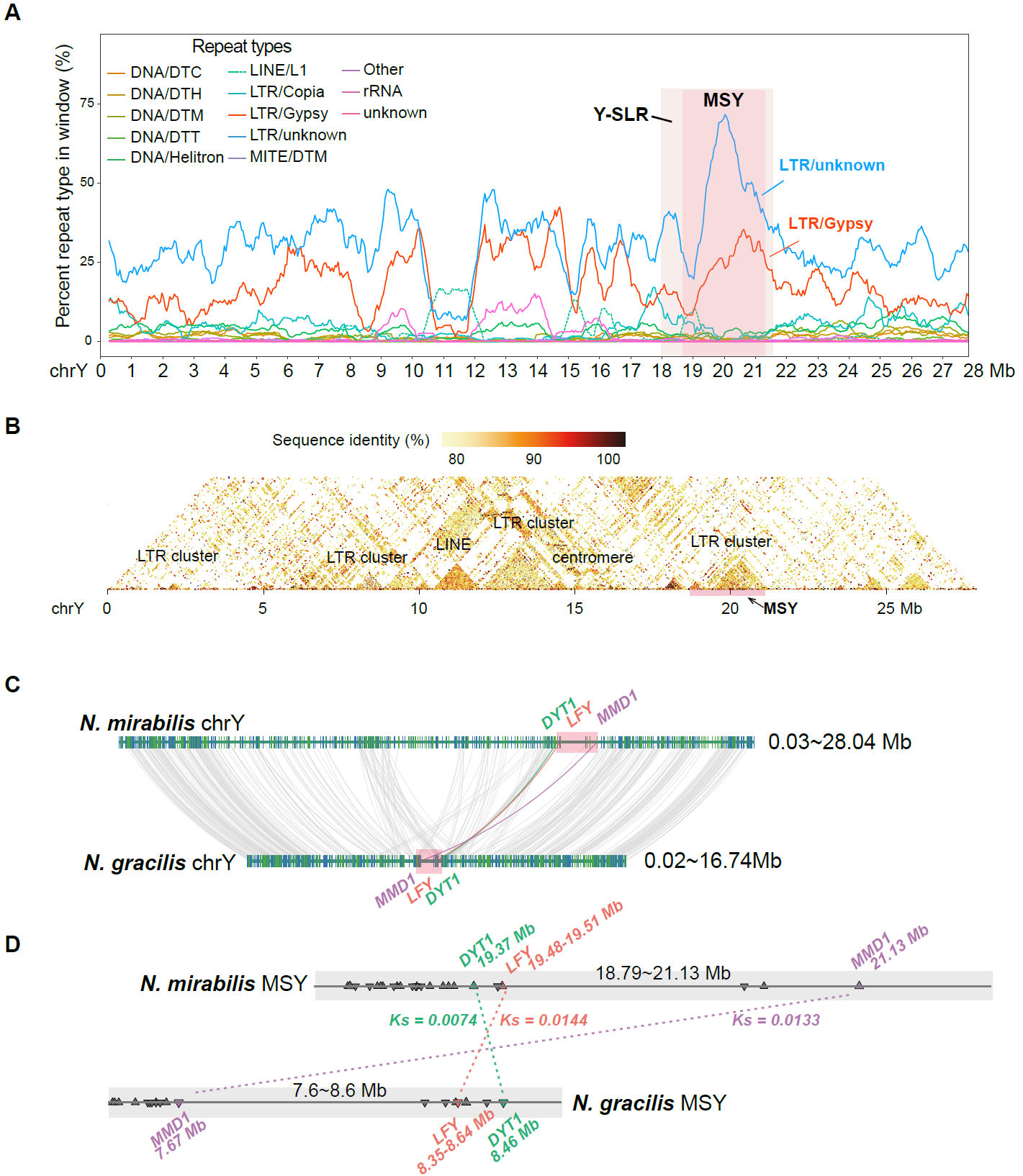
Figure 2. Genomic features of the Nepenthesmirabilis MSY and comparative synteny analysis with N. gracilis.(Image by KONG Hanghui)
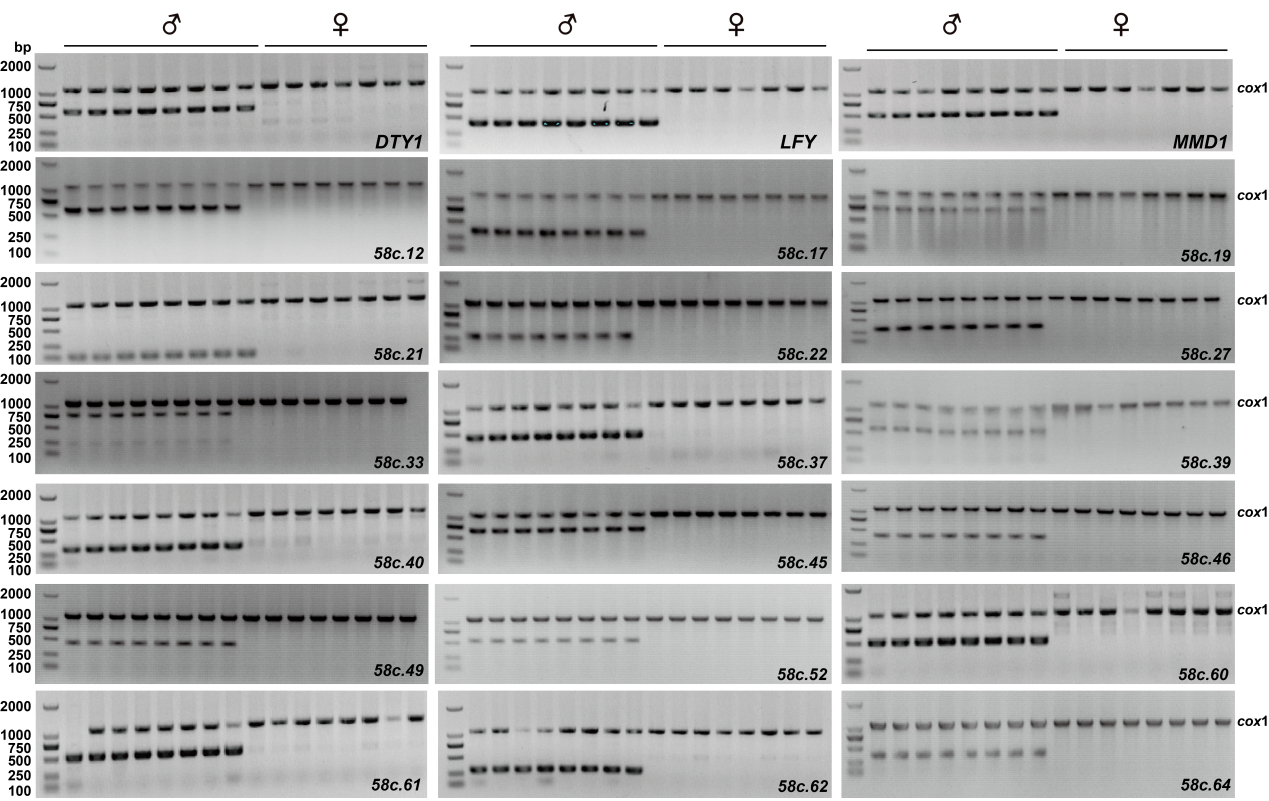
Figure 3. PCR validation of male-specific amplification for 21 candidate MSY genes in Nepenthes mirabilis.(Image by KONG Hanghui)
File Download: